SECURE ONLINE PAYMENTS
Multiple Payment Options

Sharpen your fieldcraft skills with our range of mouth calls for pigeon, duck, and other game birds, offering realistic sounds to attract quarry and enhance your shooting experience. Compact and easy to carry, these handy calling aids help you respond to bird movements whilst blending naturally into your surroundings during days in the field.
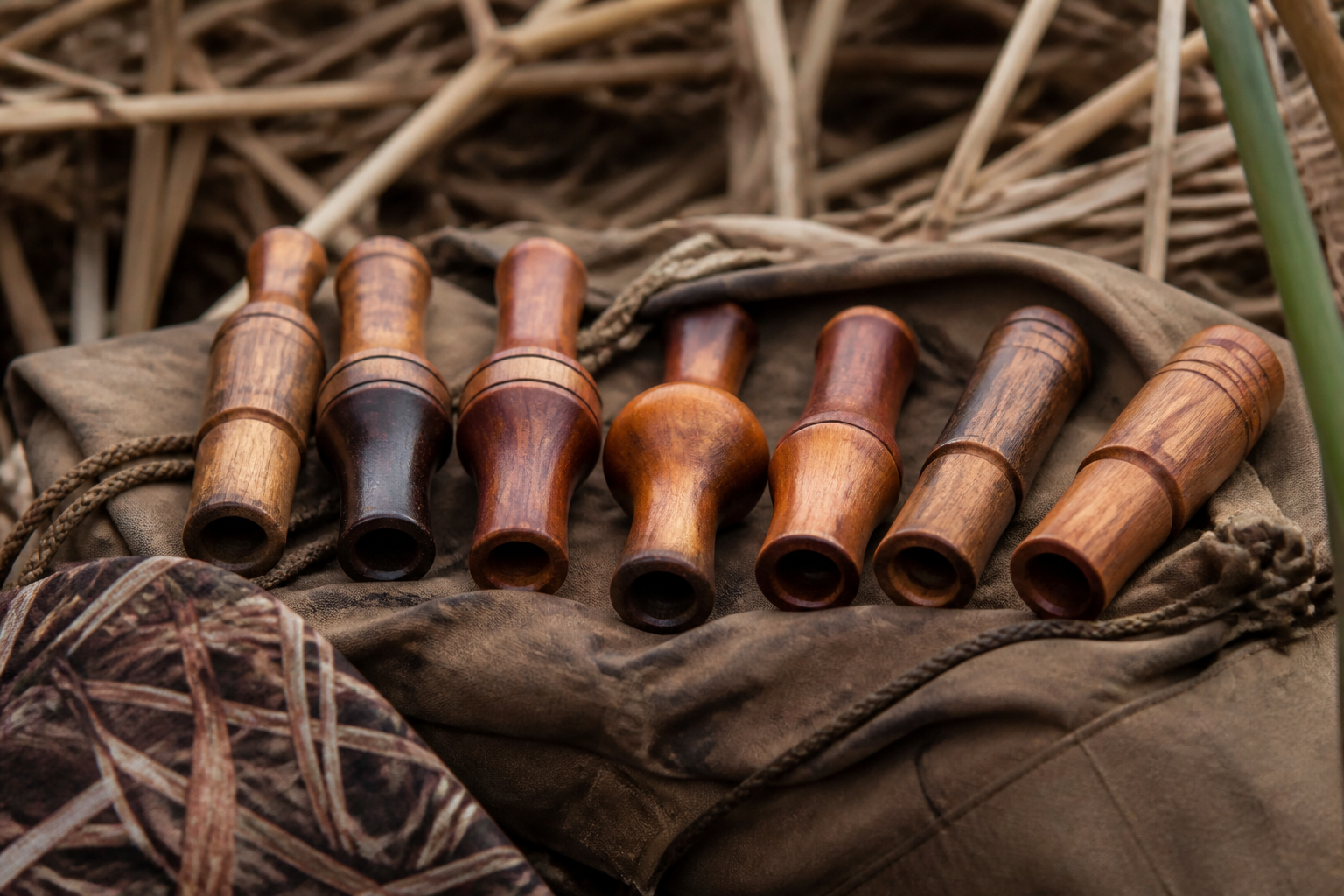
Explore our range of game and pigeon calls at McCloys, offering practical accessories for pigeon shooting, game shooting, and countryside field sports. Designed to imitate the natural sounds of birds, these calls can help attract attention, encourage birds to investigate an area, and complement a carefully arranged decoy pattern. Our selection includes bird callers suited to different shooting situations, providing useful equipment for both experienced field shooters and those developing their calling techniques. With products suited to British and Irish countryside pursuits, McCloys offers accessories to support your next day in the field.
Bird calls have long played a role in traditional field sports, allowing shooters to imitate familiar sounds associated with different species. When used correctly, a well-timed call can encourage a response from nearby birds or draw attention towards a chosen area. At McCloys, our collection of shooting calls and bird callers offers options for use alongside decoys and other field equipment. These accessories are particularly useful for shooters who want to develop a more natural approach to attracting birds. Understanding how birds communicate, recognising their behaviour, and knowing when to use a call can all make a difference during a shooting session.
Pigeon calls are designed to reproduce the soft cooing and other sounds associated with pigeons. They can be used during field shooting to add an audible element to a decoy arrangement, particularly when birds are feeding or moving across agricultural land. Unlike visual decoys, which rely on approaching birds noticing their shape and movement, pigeon callers introduce sound into the setup. Their usefulness can depend on the surrounding conditions, the behaviour of local birds, and how naturally the call is used.
Pigeons communicate through a range of calls, with different sounds associated with contact, courtship, and other behaviour. Recognising these sounds can help shooters understand how and when a pigeon caller may be useful. Listening to birds in their natural surroundings is a good way to become familiar with their usual patterns. When using a call, a measured approach is often preferable to constant noise. Natural pauses and controlled sounds can help avoid creating an unrealistic impression.
Game calls provide another useful option for those involved in shooting and countryside pursuits. Different types of callers are designed to imitate the sounds of particular game birds, making them suitable for specific situations and species. Some calls are intended to reproduce contact sounds, whilst others imitate feeding or other familiar bird noises. The most suitable call depends on the species, your intended use, and the environment in which you'll be shooting. As with all field sports equipment, callers should be used responsibly and in accordance with the relevant shooting laws, permissions, and seasonal restrictions.
For shooters who regularly use pigeon decoys, adding a suitable bird call can provide another element to their field setup. Decoys create the visual appearance of birds feeding or gathering, whilst callers can introduce natural-sounding communication. Used together, these accessories may help create a more convincing impression under suitable conditions.
A successful decoy arrangement depends on more than the number of decoys used. Their position, spacing, and appearance should reflect how birds naturally behave in the field. Pigeon calls can complement this visual arrangement, particularly when used sparingly and at suitable moments. However, calling is no substitute for choosing an appropriate location. Observing feeding patterns, flight lines, and the surrounding ground remains important when planning a shooting session.
Manual bird callers are a popular choice for field sports, allowing the user to produce sounds through controlled breathing or movement, depending on the design. These calls provide direct control over the timing, length, and tone of each sound. With practice, users can learn to produce more consistent calls and adjust their technique to suit different situations. Their compact construction also makes many manual callers convenient to carry in a shooting jacket pocket or field bag.
Getting the most out of a game or pigeon call takes patience and regular practice. Producing a convincing sound is important, but knowing when to use it can be just as useful. Start by becoming familiar with the call's operation and the sounds it's intended to reproduce. Practising away from the shooting field allows you to focus on tone and timing without distractions. When outdoors, pay attention to how birds respond. Some may show interest, whilst others may continue along their original flight path. Learning to recognise these responses can help you adjust your approach over time.
Keeping your bird calls clean and properly stored can help maintain their sound and performance. After use, remove any visible dirt and allow the call to dry thoroughly before putting it away. Moisture, dust, and debris can affect certain calling mechanisms, particularly those with internal reeds or moving components. Always follow the manufacturer's care instructions, and avoid taking apart delicate components unless the design allows it. Storing your calls in a suitable pouch or secure pocket can also help protect them during transport.
The British and Irish countryside provides a range of shooting environments, including agricultural fields, woodland edges, and open rural ground. Different locations can influence how sound travels and how birds respond to calling. Wind, surrounding vegetation, and background noise may all affect how clearly a call can be heard. For pigeon shooting over decoys, calling may provide an additional element to a field setup. For other game species, the appropriate technique will depend on the bird and the circumstances. It's important to check the rules covering the relevant species and location before using calling equipment, as permitted methods can differ across Britain and Northern Ireland.
If you're expanding your field sports equipment, trying bird calling for the first time, or looking for a caller to complement your decoy setup, explore our selection of game and pigeon calls at McCloys. Our range offers practical calling accessories suited to pigeon shooting, game shooting, and countryside pursuits, with options for different levels of experience. Shop game calls, pigeon callers, and shooting accessories online, or visit us in Toomebridge, Northern Ireland, to browse our accessories and clothing in person. If you need help choosing suitable calling equipment, don't hesitate to get in touch with a member of our team.
McCloys is a Northern Ireland-based shooting and country sports retailer offering a dedicated category for game and pigeon calls. You can browse our field sports accessories online or visit our store in Toomebridge to speak with our experienced team. When purchasing game calls, consider the intended bird species, construction, ease of use, and relevant legal restrictions. Contact our team directly for information regarding current product availability and suitable calling equipment.
Decoys and bird calls can be used together where permitted by the relevant wildlife legislation and licensing conditions. Decoys provide a visual representation of birds, whilst callers introduce sounds associated with natural bird communication. However, restrictions may apply depending on the species, location, and type of calling equipment used. Electronic callers and manual calls can be subject to different rules, so always check the applicable regulations before using them for field sports.
The best duck calls for UK wildfowling feature dependable construction, weather-resistant materials, and a design suited to the intended duck species. Single-reed and double-reed calls are amongst the most common manual designs, with models available in wood, acrylic, and synthetic materials. When comparing duck callers, consider ease of maintenance, handling comfort, and manufacturer guidance. Always check the relevant wildfowling regulations and permitted calling methods before selecting equipment.
Game calls are handheld devices designed to imitate sounds naturally produced by particular bird or animal species. Common designs include reed-based callers, whistles, and mouth-operated devices. Different calls reproduce sounds associated with contact, communication, and other natural behaviours. Game calls are used in field sports, wildlife observation, and other countryside pursuits. Their construction and operation vary depending on the species they're designed to imitate.
Pigeon calls work by producing sounds that resemble the natural cooing and communication noises made by pigeons. Manual callers typically use controlled airflow through a reed or specially shaped chamber to generate sound. Different designs produce varying tones depending on their internal construction and operating mechanism. Most manual pigeon callers are compact and lightweight, making them easy to transport. Regular cleaning and correct storage help maintain consistent sound production.